
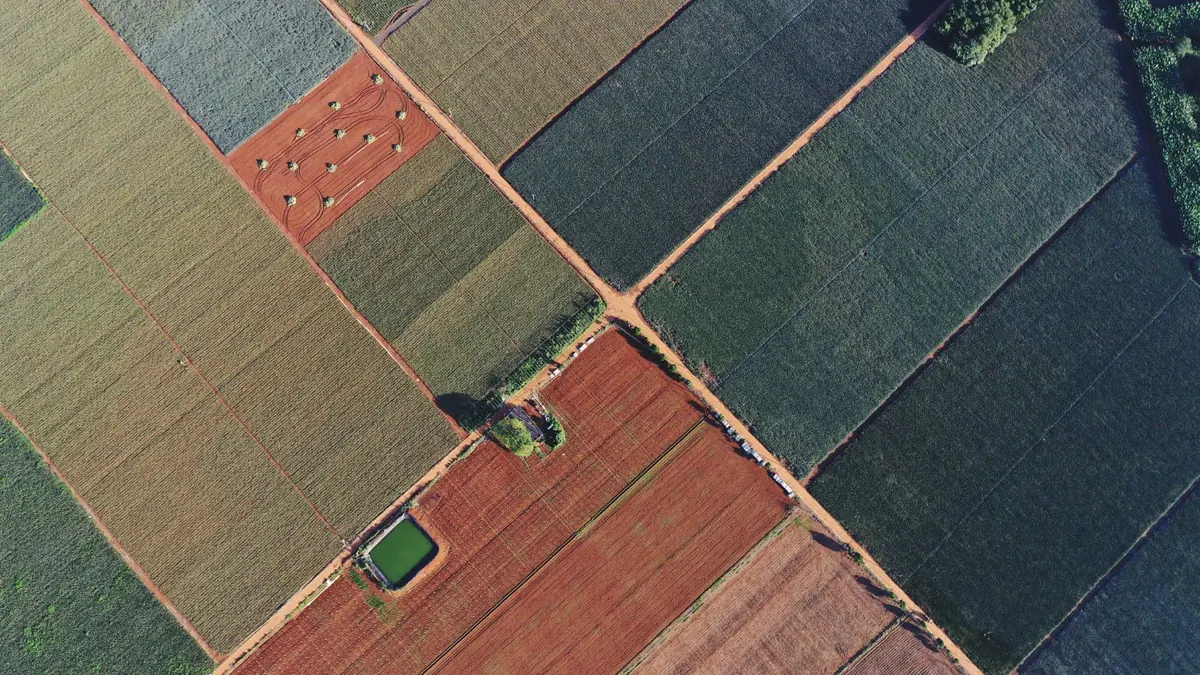
CISA Critical Infrastructure Sector
Food defense and drone threats
Processing lines, cold chain infrastructure and bulk storage are built for throughput, not concealment. Loading docks, liquid storage tanks and outdoor process steps are visible from above, at the process steps a food defense plan is meant to protect. Most facilities have a food defense plan. Few have considered what an aerial vantage point adds to it.
Where The Exposure Is
Four things that make this sector different.
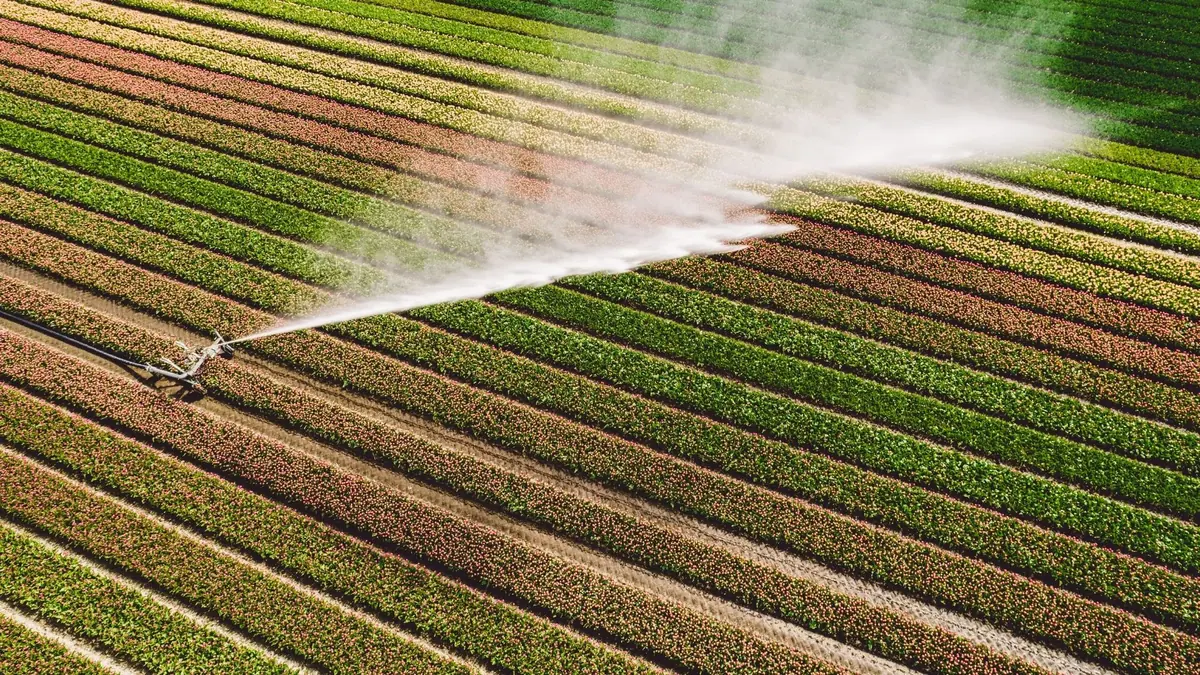
OUTDOOR PROCESS STEPS
Liquid storage tanks, bulk ingredient silos and open receiving areas sit outside the walls a food defense plan usually assumes protect the process.
COLD CHAIN AND LOGISTICS
Loading schedules, refrigerated transport patterns and yard activity are observable over time from the air, revealing operational rhythm a fence was never meant to hide.
DISPERSED FACILITIES
Processing plants, cold storage and distribution centers are often spread across a rural footprint with limited on-site security staff.
ACTIONABLE PROCESS POINTS
Intentional adulteration risk concentrates at specific, identifiable steps. Those same points are frequently the most visible from above.
Regulatory Context
FDA’s FSMA Intentional Adulteration rule (21 CFR Part 121) requires FDA-registered food facilities, with exemptions that include very small businesses, to maintain a written food defense plan. It calls for a vulnerability assessment by a qualified individual, mitigation strategies at identified actionable process steps, and a reanalysis at least every 3 years. USDA FSIS food defense plans for meat, poultry and egg plants remain voluntary.
The rule does not mention drones. A DVRA is written to inform the physical access factor of the vulnerability assessment, particularly at outdoor or open process steps such as liquid storage tanks, without claiming the rule requires aerial defense.
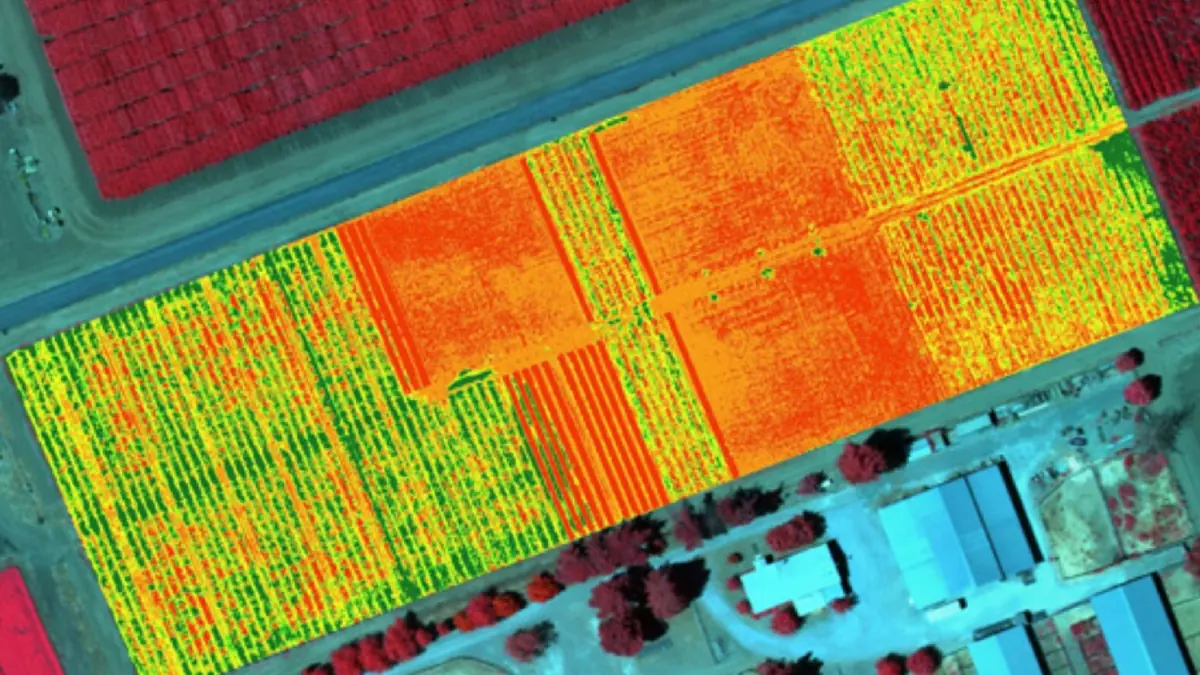
How An Engagement Applies Here
The same four pillars, scoped to this environment.
Common questions
Has ClearPoint worked with organizations in this sector?
This page describes how our method applies to the environment, not a client list. ClearPoint does not publish client or engagement records.
What does an engagement here usually start with?
A DVRA. It establishes the baseline: what is actually flying over processing lines, storage and distribution, and how that intersects with the actionable process steps in your food defense plan.
Does this satisfy the FSMA Intentional Adulteration vulnerability assessment?
A DVRA is not a substitute for the vulnerability assessment a qualified individual must complete under 21 CFR Part 121. It is designed to inform the physical access factor of that assessment with a documented aerial exposure review.
Do we need detection at every facility?
Almost certainly not. Exposure concentrates at outdoor process steps and bulk storage, and an assessment run before procurement can narrow the equipment list rather than growing it.
Can you stop a drone over our facility?
No. In the United States, mitigating a drone is limited to federal agencies with statutory authority and, since July 2026, to state and local law enforcement and correctional agencies certified under the SAFER SKIES Act. ClearPoint does not mitigate. ClearPoint detects, tracks, assesses, documents, trains and coordinates with the agencies that hold that authority.


Start with the decision you need to make.
Whether you’re evaluating drone risk or ready to assess a specific site, we’ll help you identify the next step.